House Settling Repair in Tampa, FL
House settling repair services address issues caused by uneven shifting of a home's foundation or structure, which can lead to uneven floors, cracked walls, or misaligned door and window frames. These projects typically involve assessing the extent of the settling, stabilizing the foundation if needed, and repairing any resulting damage to restore the home's stability and appearance. Property owners often want to understand the signs of settling, the potential causes, and the scope of work required to correct the problem before requesting repairs.
Before requesting house settling repairs, homeowners should consider the severity of the settling and whether it is ongoing or stabilized. It is also helpful to know the types of damage present, such as cracks or misalignments, and whether there are any underlying issues like soil movement or drainage problems contributing to the settling. Clear communication about these details can ensure a thorough assessment and appropriate repair plan to maintain the property's safety and structural integrity.
Many property owners in Tampa, FL look into House Settling Repair for repairs, replacements, upgrades, and appearance-related improvements.
Understanding House Settling
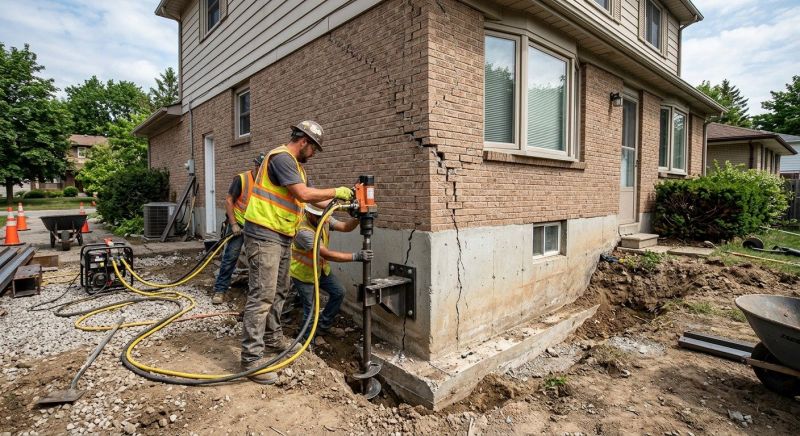
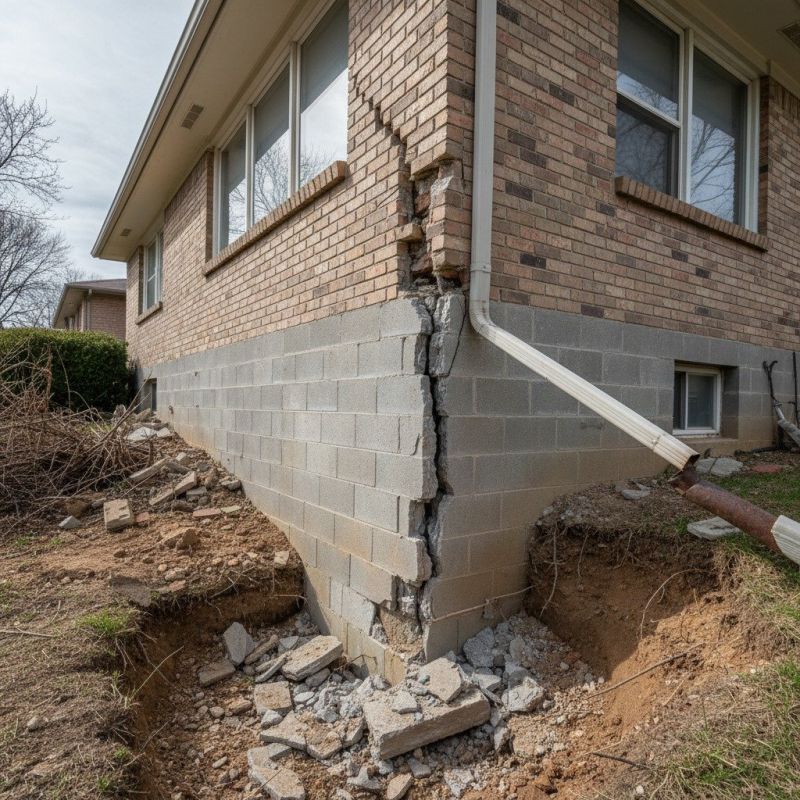
House settling can cause cracks, uneven floors, and structural concerns in tampa homes.
Signs Of Foundation Movement
Visible cracks, sticking doors, and sloping floors are common indicators of settling issues.
Repair Solutions Available
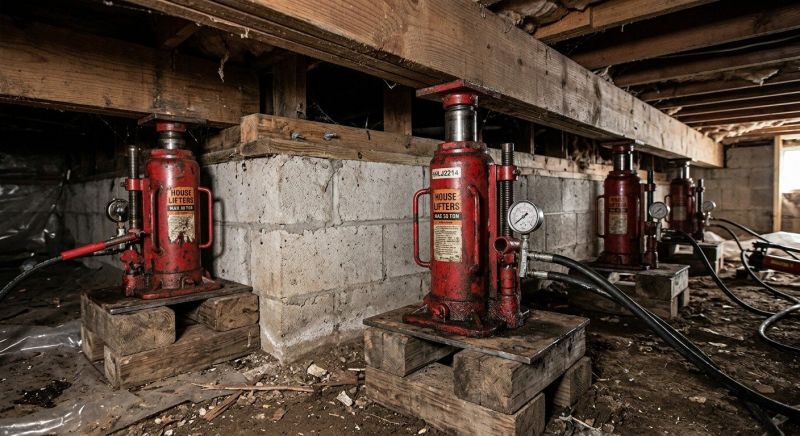
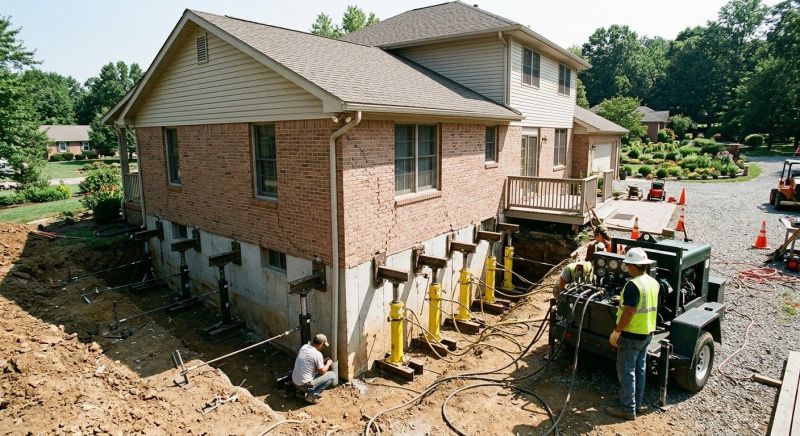
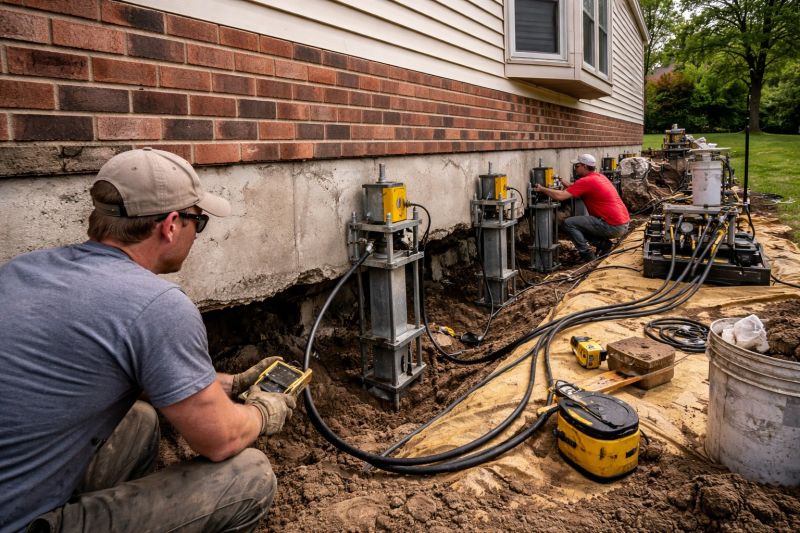
Foundation stabilization, piering, and underpinning are typical methods to address settling problems in tampa properties.
House Settling Repair in Tampa, FL

House settling repair services address issues caused by uneven shifting of a home's foundation or structure, which can lead to uneven floors, cracked walls, or misaligned door and window frames. These projects typically involve assessing the extent of the settling, stabilizing the foundation if needed, and repairing any resulting damage to restore the home's stability and appearance. Property owners often want to understand the signs of settling, the potential causes, and the scope of work required to correct the problem before requesting repairs.
Before requesting house settling repairs, homeowners should consider the severity of the settling and whether it is ongoing or stabilized. It is also helpful to know the types of damage present, such as cracks or misalignments, and whether there are any underlying issues like soil movement or drainage problems contributing to the settling. Clear communication about these details can ensure a thorough assessment and appropriate repair plan to maintain the property's safety and structural integrity.
Many property owners in Tampa, FL look into House Settling Repair for repairs, replacements, upgrades, and appearance-related improvements.
Common House Settling Repair Jobs
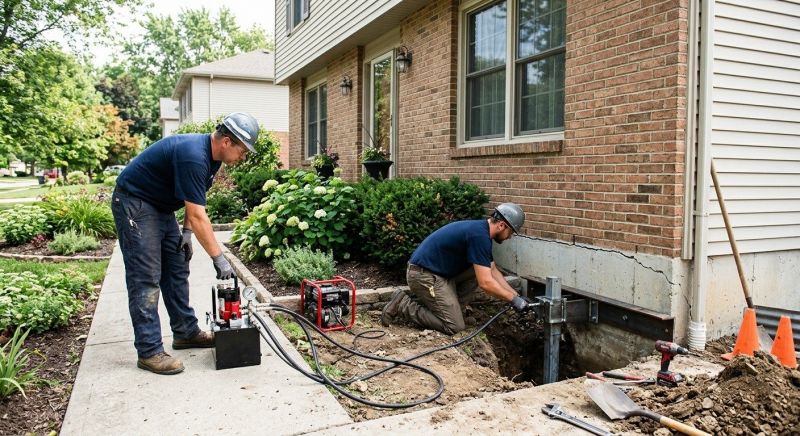
Foundation settlement repair - stabilizes uneven or sinking areas of the home’s foundation.
Slab leveling - raises and supports sunken concrete slabs in driveways and patios.
Crack repair - seals and reinforces cracks to prevent further shifting or water intrusion.
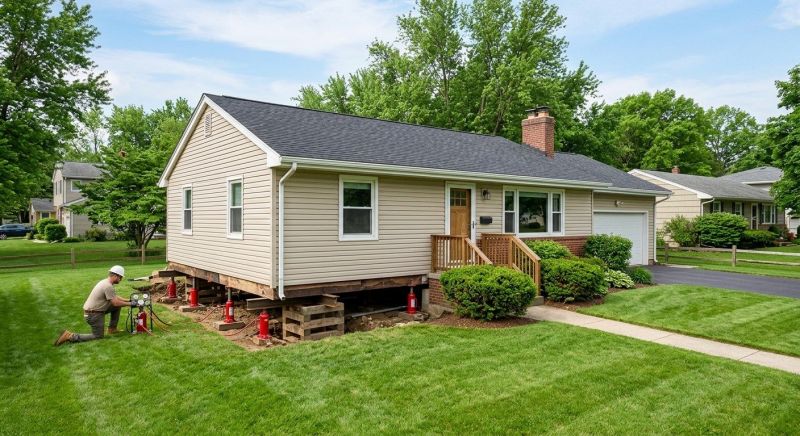
Pier and beam stabilization - addresses shifting or sinking piers supporting the home’s structure.
Soil stabilization - improves ground stability to reduce future settling issues.
Water management solutions - corrects drainage problems that contribute to foundation movement.
House Settling Repair Questions
What causes house settling issues? House settling can result from soil movement, moisture changes, or foundation shifts over time.
How can I tell if my house is settling? Signs include cracks in walls, uneven floors, or sticking doors and windows.
What types of repair are available for settling problems? Repairs may involve foundation stabilization, mudjacking, or underpinning to restore stability.
Is settling repair necessary for safety? Addressing settling issues can prevent further damage and maintain the structural integrity of the property.
Request House Settling Repair in Tampa, FL
Use the quote form on this page to share the basics of your project and request more information for the type of work you need.